New free Lil’Scientist lessons helps children discover science for themselves
8 December 2025
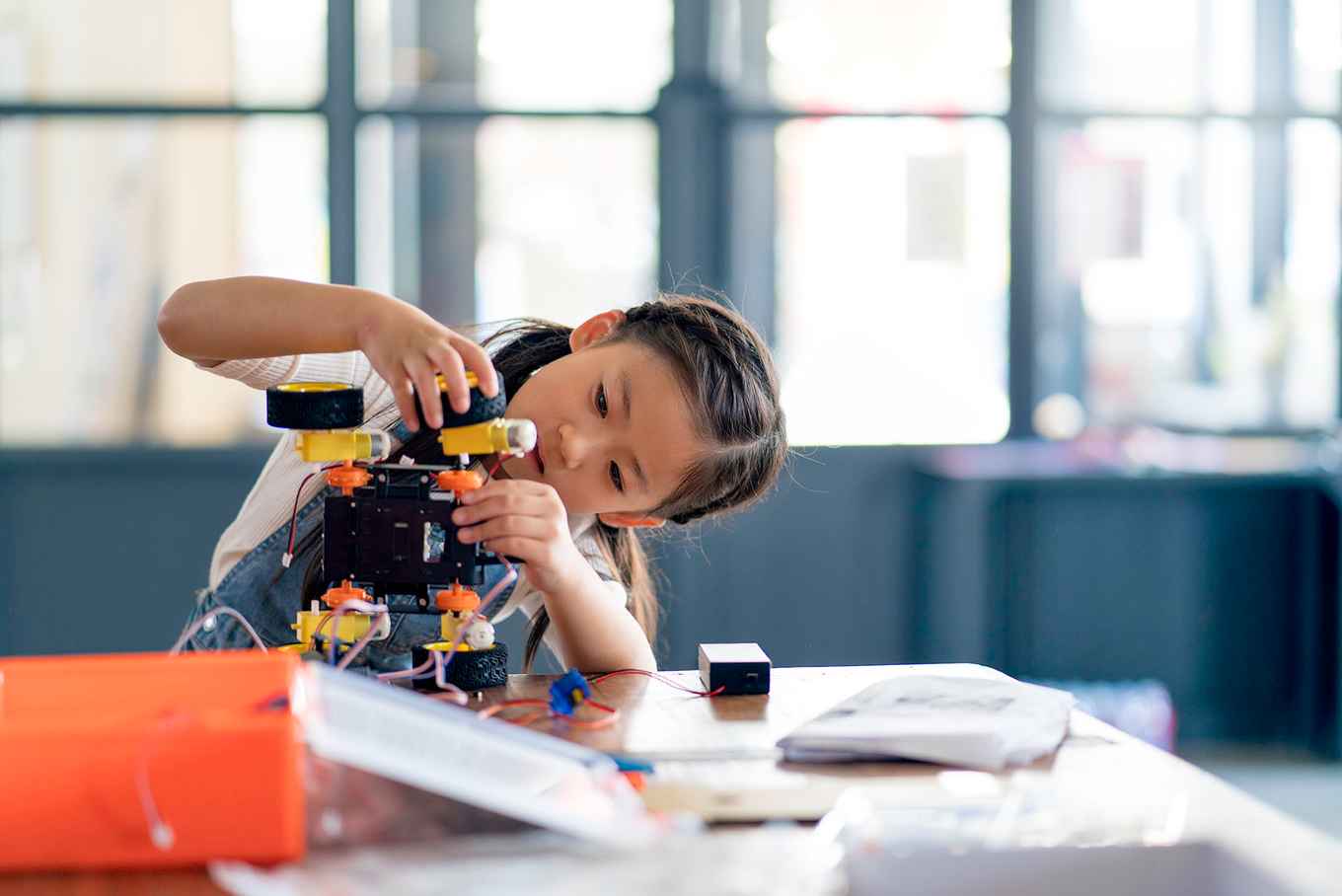
The lesson packs are designed to make science accessible to everyone, including children who may not easily engage in it in their daily lives. There are six lesson packs covering a wide range of disciplines, from philosophy to oceanography.
Letting children take the lead
According to project leader Dr Eddie Brummelman, founder of KiDLAB, traditional forms of science education fall short: ‘Scientists often come into the classroom to explain what science is. This can unintentionally give children the impression that they lack certain knowledge, and that only adults can provide it. But children are born scientists. They are curious, persistent, and explore the world in their own way. With Lil’Scientist, we put children in the lead.’

Without equal opportunities, science risks losing children who bring fresh and innovative perspectivesEddie Brummelman
Practical activities that connect to children’s worlds
The lesson packs require no preparation time from teachers: each one contains clear learning objectives, ready-to-use PowerPoint slides, fully scripted lessons and additional materials.
They include active assignments that link directly to children’s experiences:
-
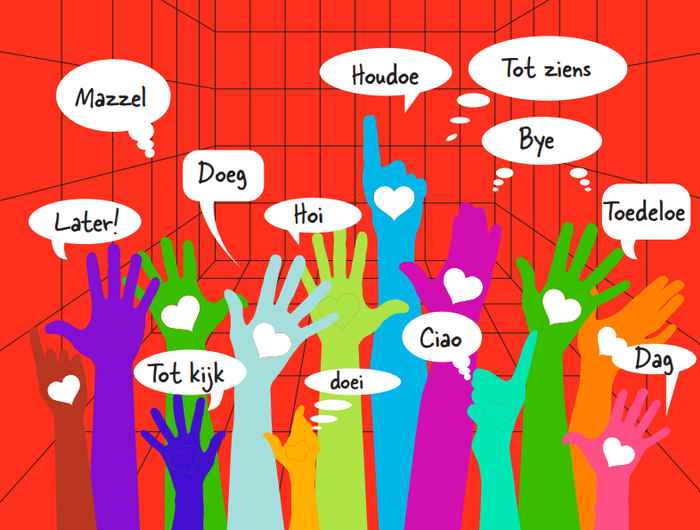
In Word Wrestling, pupils go out into their neighbourhoods to collect farewell greetings and investigate how language varies by area or background.
-
In Plastic Soup, children search for litter in their own surroundings and discover how waste travels via rivers into the ocean.
-
In Markets, children reflect on moral dilemmas, such as: is it acceptable to pay someone to write a birthday card for your grandmother?
Developed with children, for children
The lessons were developed together with scientists and IMC Weekendschool pupils. In several pilots, children tested components of the lesson packs and their feedback was directly implemented. Marleen Hoebe, junior researcher at KiDLAB, coordinated the process and ensured that scientists and pupils truly understood one another.
Children discover that science is not an exceptional skill only possessed by a few, but a way of thinking that everyone can apply in daily lifeEddie Brummelman
A striking example comes from the lesson Who is the scientist?, in which children explore stereotypical images of scientists. ‘A girl drew our student assistant Justine. Realising that Justine is a female scientist was eye-opening for her. Yet she still drew her wearing a lab coat and holding test tubes, even though Justine is a social scientist. It shows how persistent some stereotypes are, but also how valuable it is to address them,’ Brummelman explains.
Science as something that belongs to everyone
Lil’Scientist is explicitly aimed at reaching children from neighbourhoods with lower average incomes. Brummelman: ‘As a society, we have a duty to provide children with equal opportunities, regardless of where they are born or how much money their parents earn. Without equal opportunities, science loses large groups of children who can bring the innovative perspectives we need.’
The lesson bundles aim to show children that science:
-
is not an elite career for a select few, but a skill anyone can learn
-
is not a solitary activity: children often think scientists work alone
-
is not just about test tubes, but also about major societal questions: How do we prevent plastic entering the ocean? How do we build a fair society? How does a TikTok algorithm work?
According to Brummelman, the packs get to the heart of the matter: ‘Children discover that science isn’t something you only do in a lab, but above all a way to understand and critically question the world around you. That is perhaps even more important than the ambition to become a scientist.’